Imagine stepping into your garden and knowing that every tool you use is not only helping your plants thrive but also nurturing the planet. Sustainable gardening is about more than just growing beautiful flowers and tasty vegetables; it’s about making choices that protect the environment for future generations.
You, as a gardener, have the power to make a difference right in your backyard. By choosing sustainable gardening tools and adopting eco-friendly practices, you can create a vibrant, healthy garden that respects nature. But how do you start? What tools should you use?
And what tips can help you garden sustainably? Keep reading to discover the secrets to a greener thumb that benefits you and the Earth. Let’s explore how you can turn your gardening routine into a force for good.

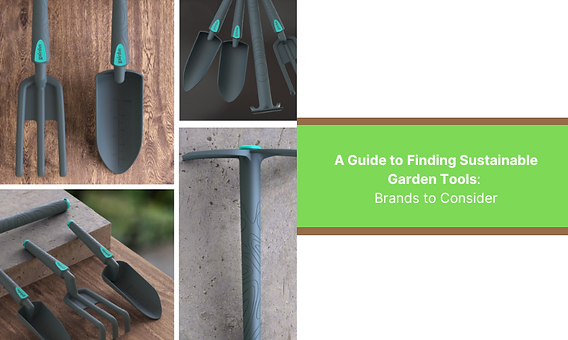
Credit: www.haxnicks.co.uk
Choosing Eco-friendly Tools
Opting for sustainable gardening tools supports eco-friendly practices and promotes environmental health. Select tools made from recycled materials or biodegradable substances. Practical tips include using rainwater for irrigation and composting to enrich the soil naturally.
Choosing eco-friendly tools for your garden isn’t just a trend—it’s a thoughtful choice for our planet. Sustainable gardening tools help you nurture your green space while minimizing environmental impact. By making mindful decisions, you ensure that your gardening practices are as green as your garden.
Materials And Durability
When selecting eco-friendly tools, consider the materials used. Opt for tools made from recycled or sustainably sourced materials. Bamboo handles, for example, are a fantastic choice. They grow quickly, making them a renewable resource.
Durability is equally important. A well-made tool lasts longer, reducing waste over time. Choose tools with stainless steel blades or tines, which resist rust and require less frequent replacement. Have you ever thought about how many plastic tools end up in landfills each year? Choosing durable, quality materials can help change this narrative.
Energy-efficient Equipment
Gardening doesn’t always require manual tools. Power tools can be eco-friendly too. Look for equipment that uses rechargeable batteries instead of gasoline. This reduces emissions and is often quieter, creating a more peaceful garden experience.
Solar-powered options are also available. From water pumps to garden lights, harnessing solar energy is a clean and efficient way to power your garden. Imagine the satisfaction of seeing your garden thriving under lights powered by the sun.
Consider the energy output of your tools. Efficient equipment often uses less energy to achieve the same task. This not only saves energy but also reduces your electricity bills. Have you evaluated the energy consumption of your current tools? Making the switch to energy-efficient models could be a win-win for you and the environment.
Choosing eco-friendly tools is about making conscious choices. With thoughtful decisions, your garden can flourish while you contribute to a healthier planet. What small changes will you make today to green your gardening routine?
Organic Gardening Practices
Embracing organic gardening practices is essential for a sustainable garden. It involves using natural methods to grow plants. This approach avoids harmful chemicals. It supports biodiversity and soil health. Organic gardening nurtures a balanced ecosystem. It promotes healthier plants and food.
Natural Pest Control
Natural pest control keeps your garden healthy without chemicals. Introduce beneficial insects like ladybugs. They eat aphids and other pests. Use plants that repel unwanted insects. Marigolds deter nematodes. Garlic repels many pests. Encourage birds to visit. They eat insects too. Handpick pests like caterpillars. It’s effective for small gardens. Use traps for larger areas. Sticky traps catch flying insects.
Composting Techniques
Composting transforms waste into valuable fertilizer. Start with kitchen scraps. Vegetable peels and coffee grounds work well. Add yard waste like leaves and grass. Balance green and brown materials. Keep the pile moist. Turn it regularly for aeration. This speeds up decomposition. Finished compost enriches soil. It improves plant growth naturally. Composting reduces garden waste. It supports a sustainable lifestyle.
Water Conservation Strategies
Sustainable gardening embraces practices that preserve our planet. Water conservation is vital for sustainable gardening. It reduces water use without sacrificing plant health. Smart strategies can make a big difference. Explore rainwater harvesting and efficient irrigation systems. These methods keep gardens lush while saving resources.
Rainwater Harvesting
Rainwater harvesting is collecting rain from rooftops. It stores water for later use. This method reduces dependency on municipal water supplies. It lowers water bills and conserves resources. Set up barrels beneath gutters to catch rainwater. Use this water to hydrate plants during dry spells. Rainwater is free of chemicals found in tap water. Plants often thrive with this natural water source. Install a simple system to start harvesting rainwater.
Efficient Irrigation Systems
Efficient irrigation minimizes water wastage. Drip systems deliver water directly to plant roots. This reduces evaporation and runoff. Timers ensure watering happens at optimal times. Early morning or late evening is best. Sensors can detect soil moisture. They prevent overwatering by adjusting schedules. These systems save water and improve plant health. Invest in a system that suits your garden size. Enjoy a thriving garden with less water use.

Credit: www.diversitech-global.com
Soil Health Improvement
Explore sustainable gardening tools and tips to boost soil health. Improve nutrient balance and reduce erosion with eco-friendly practices. Discover ways to enrich your garden naturally, promoting healthy plant growth and a thriving ecosystem.
Improving soil health is a cornerstone of sustainable gardening. Healthy soil supports plant growth, retains moisture, and reduces the need for chemical fertilizers. By focusing on enriching your soil, you create a thriving ecosystem right in your garden.
Using Cover Crops
Cover crops, often known as green manure, are an excellent way to boost soil health. These plants, like clover or rye, are grown not for harvest but to cover the soil surface. They prevent erosion, suppress weeds, and enhance soil fertility.
Once established, cover crops can be tilled back into the soil. This process adds organic matter, improving soil structure and increasing nutrient content. Imagine your garden soil becoming more porous and nutrient-rich without synthetic fertilizers.
Think about the natural cycle and how it sustains itself. Cover crops mimic this cycle, offering a simple, eco-friendly solution for healthier soil. Could your garden benefit from this natural boost?
Natural Soil Amendments
Natural soil amendments are another effective way to improve soil health. Compost, for instance, is a gardener’s best friend. It enriches soil with nutrients and beneficial microorganisms.
Consider using other natural amendments like bone meal or wood ash. Bone meal is rich in phosphorus, essential for root development, while wood ash provides potassium, enhancing plant resilience.
Applying these amendments is straightforward. Sprinkle them onto the soil and lightly mix them in. Over time, you’ll notice improved plant growth and a more vibrant garden.
Have you ever tried using these natural amendments? The results might surprise you, showing how small changes can lead to healthier, more productive soil.
Improving soil health doesn’t have to be complicated. With cover crops and natural amendments, you’re on your way to a sustainable, thriving garden.
Supporting Local Biodiversity
Enhance local biodiversity with sustainable gardening tools and tips. Use eco-friendly tools to support native plants and wildlife. Implementing water-saving techniques and organic fertilizers nurtures a thriving garden environment.
Supporting local biodiversity is an essential aspect of sustainable gardening. When you cultivate a garden that thrives in harmony with local ecosystems, you contribute to the health of your environment. This not only benefits your garden but also supports the diverse wildlife that calls your area home.
Native Plant Selection
Choosing native plants is a powerful way to support local biodiversity. Native plants are adapted to the local climate, making them easier to care for and more resilient to pests. They also provide essential food and shelter for local wildlife, from bees and butterflies to birds and small mammals.
When I first started my garden, I was amazed at the difference native plants made. By replacing a few non-native species with local varieties, I noticed more butterflies and bees visiting my garden. This not only enhanced the beauty of my space but also increased pollination rates.
Creating Wildlife Habitats
Creating wildlife habitats in your garden is another step towards supporting local biodiversity. Simple additions like birdhouses, bee hotels, and water features can transform your garden into a sanctuary for various species.
Consider using logs or rocks to create shelter for small creatures. Planting a mix of flowering plants can provide nectar throughout the growing season. As I introduced these elements, I realized how vibrant my garden became, buzzing with life and activity.
Have you ever thought about how these small changes can make a significant impact? By nurturing your garden with care and attention, you’re playing a crucial role in maintaining the delicate balance of your local ecosystem. What steps will you take to support biodiversity in your garden?
Reducing Waste In The Garden
Discover sustainable gardening by using tools made from recycled materials. Composting kitchen scraps reduces garden waste efficiently. Choose native plants that require less water and maintenance. These simple tips foster an eco-friendly garden.
Reducing waste in the garden not only benefits the environment but also enhances your gardening experience. Every choice you make can contribute to a more sustainable garden. By rethinking how you use resources, you can reduce waste significantly.
Reusing And Recycling Materials
Transforming old items into gardening tools can be incredibly satisfying. An old bucket can serve as a planter, while used wooden pallets can become a sturdy compost bin.
Consider creating a small greenhouse from discarded windows. This not only saves money but also gives your garden a unique charm.
Using recycled materials encourages creativity and reduces the need to purchase new items.
Minimizing Plastic Usage
Plastic is ubiquitous, but its impact is long-lasting. Opt for biodegradable pots made from coconut coir or peat instead of plastic ones.
When buying seeds or plants, choose those with minimal packaging or purchase from local nurseries that offer sustainable options.
Have you thought about making your own plant markers? Sticks or stones can replace plastic tags, adding a natural touch to your garden.
Each small change moves you closer to a greener garden. What steps will you take today to reduce waste in your garden?
Sustainable Gardening Mindset
Embracing a sustainable gardening mindset is about more than just using eco-friendly tools. It’s a commitment to caring for our planet through thoughtful practices. This mindset encourages long-term thinking, community involvement, and a genuine love for nurturing nature. How can you start cultivating this mindset today?
Long-term Planning
Think beyond the immediate harvest. Sustainable gardening requires you to plan for the future, ensuring your garden thrives year after year. Consider rotating crops to maintain soil health and using compost to enrich the earth naturally.
Imagine planting a tree today that provides shade and fruit for generations. This is the essence of long-term planning. By choosing perennial plants, you’re investing in a garden that sustains itself over time.
Ask yourself: What legacy do you want your garden to leave? The choices you make today can shape the environment for years to come.
Community Involvement
Gardening becomes a richer experience when shared. Connect with local gardening groups to exchange seeds, tools, and tips. This not only fosters a sense of community but also promotes resource sharing, reducing waste.
Have you ever thought about starting a community garden? It’s a fantastic way to bring people together and create green spaces in urban areas. Plus, it provides fresh produce to those who might not have access otherwise.
Engage with your neighbors and share your gardening successes and challenges. You might find that a simple conversation can lead to innovative solutions and collaborative projects.
The sustainable gardening mindset is a journey. With each step, you’re contributing to a healthier planet. Are you ready to make a difference in your garden and community?
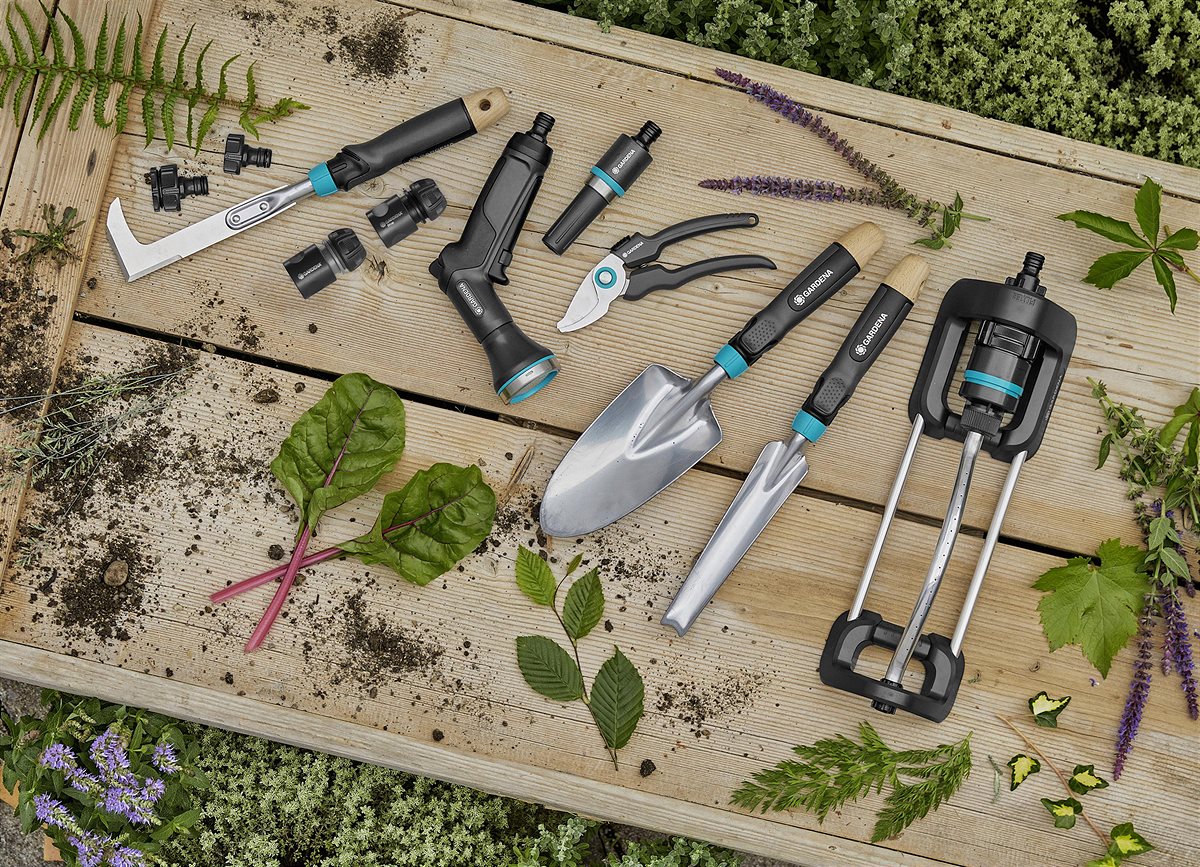
Credit: www.media-gardena.com
Frequently Asked Questions
What Plants Are Best For A Sustainable Garden?
Native plants thrive best in sustainable gardens. They require less water and resist local pests. Perennials like lavender and echinacea add color and attract pollinators. Vegetables such as kale and tomatoes offer fresh produce. Use compost to enrich soil naturally.
Choose drought-tolerant varieties for water conservation.
What Is The Best Material For Garden Hand Tools?
Carbon steel is the best material for garden hand tools. It offers durability, sharpness, and resistance to rust. Stainless steel is another excellent choice, known for its rust resistance and easy maintenance. Both materials ensure long-lasting performance for gardening tasks.
Opt for ergonomic handles for enhanced comfort and efficiency.
What Is The Best Way To Maintain Garden Tools?
Clean tools after each use to prevent rust. Sharpen blades regularly for efficient performance. Store tools in a dry place to avoid moisture damage. Oil metal parts to maintain smooth operation. Inspect handles and replace any worn or damaged ones for safety.
What Is The Best Tool For Turning Soil?
The best tool for turning soil is a rototiller. It efficiently breaks up and aerates the ground. For smaller gardens, a garden fork or spade works well. These tools help improve soil quality and promote healthy plant growth. Choose based on your garden size and soil type.
Conclusion
Sustainable gardening benefits both your garden and the environment. By using eco-friendly tools, you reduce waste and conserve resources. Simple changes make a big impact. Choose durable tools, compost, and save water. These steps help create a greener garden. Start small and make gradual improvements.
Each effort counts towards a healthier planet. Enjoy the process and learn as you go. Gardening sustainably is rewarding and fulfilling. Share tips with friends and community. Inspire others to join the movement. Together, we can nurture nature and ensure a thriving future for all.
Happy gardening!
