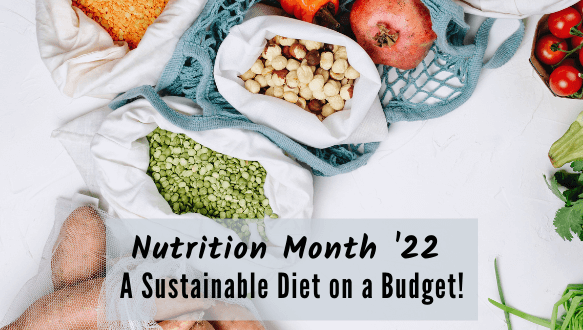
Are you eager to embrace a healthier lifestyle without breaking the bank? Starting a sustainable diet on a budget might seem challenging, but it’s entirely possible with a few smart strategies.
Picture yourself enjoying delicious, nutritious meals that not only benefit your well-being but also support our planet. Imagine the satisfaction of knowing you’re making choices that are good for you and the environment, all while keeping your wallet happy. This guide will show you how to make sustainable eating affordable and accessible.
Stick with us, and you’ll discover simple tips and tricks that can transform your diet without overwhelming your budget. Ready to take control of your health and your finances? Let’s dive in and explore how you can start a sustainable diet that aligns with your values and financial goals.

Credit: www.amazon.com
Benefits Of A Sustainable Diet
Starting a sustainable diet on a budget offers multiple benefits. It reduces food waste and promotes healthier eating habits. Opting for seasonal produce and plant-based meals can save money while supporting the environment.
Embarking on a sustainable diet journey offers more than just a healthier planet; it nourishes your body and mind while being kind to your wallet. A sustainable diet emphasizes eating foods that are both eco-friendly and nutritious. This approach helps you make smarter choices that benefit not just you, but the environment as well.
Environmental Impact Reduction
By choosing sustainable foods, you actively participate in reducing your carbon footprint. Eating more plant-based meals means less demand for meat, which is a major contributor to greenhouse gases. Every small change you make can collectively lead to a significant reduction in environmental damage.
Health Benefits
A sustainable diet often includes fresh fruits, vegetables, and whole grains. These foods are rich in essential nutrients and can improve your overall health. Imagine feeling more energetic and focused simply by what you eat.
Cost Savings
Eating sustainably doesn’t have to be expensive. Buying in bulk, choosing seasonal produce, and reducing meat intake can save you money. Have you ever noticed how a bag of beans can stretch over several meals compared to a single steak?
Support For Local Farmers
Opting for locally-sourced products supports your community’s farmers. This not only helps the local economy but also reduces transportation emissions. Next time you visit a farmer’s market, you’re helping to sustain the local food system.
Improved Food Quality
Sustainable diets often involve foods that are less processed and more natural. This means fewer additives and preservatives in your meals. You’ll likely notice a difference in taste and quality, leading to a more satisfying dining experience.
Encouragement Of Biodiversity
By diversifying your diet, you promote agricultural biodiversity. Eating a variety of foods encourages farmers to grow different crops. Have you ever tried a new grain or vegetable and discovered a new favorite?
Embracing a sustainable diet can transform not only your life but the world around you. What steps will you take today to start this rewarding journey?
Setting Realistic Goals
Starting a sustainable diet on a budget requires realistic goals. Focus on affordable, nutritious foods. Prioritize meal planning and portion control to maintain balance.
Embarking on a sustainable diet journey is a commendable decision, but it can feel overwhelming if you’re on a budget. The key to success lies in setting realistic goals that align with your financial constraints and lifestyle. When you begin with achievable objectives, you’re more likely to stick with your new eating habits and see positive results.
Understanding Your Current Eating Habits
Before you set any goals, take a moment to assess your current diet. Are you frequently dining out, or do you buy a lot of pre-packaged foods? Recognizing your patterns will help you identify areas where you can make sustainable choices without overspending.
Define What Sustainability Means To You
Sustainability can mean different things to different people. For some, it might be reducing meat consumption, while for others, it could be choosing locally sourced produce. Decide what aspects of sustainability are most important to you and your budget. This clarity will guide your goal-setting process.
Set Specific And Measurable Goals
Vague goals can lead to frustration and failure. Instead of saying, “I want to eat healthier,” specify your goals. Try something like, “I will include at least two vegetarian meals per week.” Specific goals are easier to track, and they give you a clear target to aim for.
Break Down Goals Into Small Steps
Large goals can seem daunting, but breaking them into smaller, manageable tasks makes them achievable. If your goal is to buy more organic produce, start with one item, like switching to organic apples. Small steps create momentum and build confidence.
Monitor Your Progress Regularly
Keep track of your achievements and setbacks. Use a journal or a digital app to record your progress. Regular monitoring helps you stay accountable and allows you to adjust your goals as needed.
Be Prepared To Adjust
Life is unpredictable, and your circumstances might change. Stay flexible with your goals and be ready to modify them when necessary. If a certain approach isn’t working, don’t hesitate to try something new.
Celebrate Small Wins
Acknowledge and celebrate your successes, no matter how minor they seem. Did you manage to cook three plant-based meals this week? That’s a win! Celebrating small victories boosts motivation and reinforces positive behavior.
Setting realistic goals is about creating a sustainable diet that fits your life and budget. As you progress, ask yourself: How do these changes make me feel? Are they improving my life? Your answers will guide you toward a healthier, more sustainable lifestyle.
Budget-friendly Meal Planning
Budget-friendly meal planning can help you eat well without overspending. Eating sustainably doesn’t mean sacrificing flavor or nutrition. With careful planning, you can enjoy meals that are both eco-friendly and affordable.
Weekly Meal Prep
Meal prep saves time and reduces food waste. Choose recipes that use similar ingredients. This makes shopping easier and cuts down on costs. Prepare meals on the weekends for the upcoming week. Store them in airtight containers to keep them fresh. Having meals ready to go helps avoid expensive takeout.
Grocery List Essentials
Creating a grocery list can keep your shopping focused. Stick to seasonal fruits and vegetables. They are often cheaper and fresher. Buy whole grains like rice and oats in bulk. They are budget-friendly and versatile. Look for plant-based proteins such as beans and lentils. They are nutritious and cost-effective.
Avoid impulse buys by sticking to your list. This ensures you spend only on essentials. Use coupons and discounts whenever possible to save more money. Keep an eye on sales for items you regularly use. This helps stretch your budget further.
Choosing Affordable Sustainable Foods
Begin a sustainable diet on a budget by choosing local produce and seasonal foods. Explore plant-based meals and reduce meat consumption to save money. Opt for minimally processed foods to minimize environmental impact and cost.
Choosing affordable sustainable foods can feel overwhelming. Yet, it’s possible to eat sustainably without breaking the bank. Understanding where to find budget-friendly options is key. Let’s explore two effective strategies: purchasing seasonal produce and buying in bulk.
Seasonal Produce
Seasonal produce is often more affordable. It’s fresher and tastes better. Local farmers’ markets are great places to find these items. Supermarkets also have seasonal sections. Check flyers for weekly deals. Eating seasonally supports local farmers. It reduces the carbon footprint from transportation. It’s a win-win for your wallet and the planet.
Bulk Buying Tips
Buying in bulk saves money and reduces packaging waste. Start with items you use regularly. Think grains, beans, and spices. Store them in airtight containers to keep them fresh. Bulk sections in grocery stores offer flexibility. You can buy exactly what you need. This minimizes food waste. Look for discounts on bulk purchases. Membership stores often have great deals. Buying in bulk supports a sustainable lifestyle. It aligns with budget-friendly goals.
Choosing affordable sustainable foods is simple with these strategies. Enjoy a diet that’s kind to your wallet and the Earth.
Reducing Food Waste
Reducing food waste is vital for a sustainable diet. It saves money and protects the planet. Many people throw away food without thinking. But small changes make a big difference. You can start by using leftovers creatively and storing food correctly.
Creative Leftover Recipes
Turn leftovers into delicious meals. Mix cooked veggies into omelets. Add rice to soups for extra flavor. Blend fruits for smoothies. Use leftover bread for croutons or breadcrumbs. These ideas minimize waste and offer tasty dishes.
Proper Storage Techniques
Store food properly to extend its life. Use airtight containers for leftovers. Keep fruits and veggies separate in the fridge. Label containers with dates. Freeze items to keep them fresh longer. These methods reduce waste and save money.

Credit: www.sustainablerookie.com
Incorporating Plant-based Meals
Starting a sustainable diet on a budget involves incorporating plant-based meals. Choose seasonal veggies and grains for affordable options. Explore local markets for fresh produce to maintain low costs.
Incorporating more plant-based meals into your diet is a fantastic step towards sustainability. It’s not only beneficial for the planet but also for your health and wallet. You might think eating plant-based is expensive, but with some smart choices, it can be quite affordable.
Meatless Mondays
Starting with Meatless Mondays is a practical way to introduce plant-based meals into your routine. It’s a simple commitment—just one day a week without meat. You’ll be surprised at how much you can save by replacing meat with beans, lentils, or seasonal vegetables.
Many people find that Meatless Mondays encourage creativity in the kitchen. You might discover a love for chickpea curry or a hearty vegetable stir-fry. What’s a dish you’ve been curious to try that doesn’t include meat?
Protein-rich Alternatives
Ensuring you get enough protein on a plant-based diet is easier than you might think. Legumes, tofu, and quinoa are excellent sources of protein. They’re also more affordable compared to most meats.
You can use lentils in soups, salads, or even as a filling for tacos. Tofu is versatile too—it soaks up flavors in stir-fries and can be grilled or baked. Have you tried swapping quinoa for rice in your meals? It’s a simple change that packs a protein punch.
If you’re worried about missing nutrients, remember that a varied plant-based diet can provide all you need. Consider planning meals around these protein-rich alternatives. What’s stopping you from trying these options today?
Smart Shopping Strategies
Starting a sustainable diet on a budget involves smart shopping choices. Focus on seasonal produce and plant-based proteins for cost-effective meals. Planning meals and buying in bulk can also help save money.
Starting a sustainable diet on a budget might seem challenging, but smart shopping strategies can make it achievable and even fun. By choosing where and how you shop, you can save money while supporting sustainable practices. Let’s dive into a couple of smart shopping strategies that can help you eat sustainably without breaking the bank.
Local Farmers Markets
Local farmers markets are treasure troves for fresh, affordable produce. You might think of them as expensive, but they often offer competitive prices, especially if you shop towards the end of the market day. Vendors are keen to sell off their remaining stock, which means great deals for you. Not only do you save money, but you also support local farmers and reduce your carbon footprint.
Visiting farmers markets can be a delightful experience. You get to meet the people who grow your food and ask questions about their farming practices. This builds a connection with your food that supermarkets can’t offer. Consider making it a weekend habit; a stroll through a bustling market can be an inspiring start to a sustainable diet.
Discount Stores
Discount stores can be surprising allies in your quest for sustainable eating. While they may not have the picturesque appeal of farmers markets, they offer budget-friendly options for pantry staples like grains and legumes. These stores often carry items in bulk, allowing you to buy just what you need and reduce waste.
Think about the power of buying in bulk. It’s a practical way to save money and ensure you always have nutritious staples on hand. Have you ever wondered why those bulk bins always seem so enticing? They’re a chance to try new foods without committing to large quantities. Next time you visit a discount store, take a moment to explore these options.
By adopting these smart shopping strategies, you’re not just saving money. You’re making choices that benefit your health and the planet. What better way to start a sustainable diet than by making informed and impactful decisions with every purchase?
Balancing Nutrients On A Budget
Starting a sustainable diet on a budget involves smart choices like buying seasonal produce and planning meals. Opt for whole grains and affordable protein sources like beans. Embrace home cooking to control ingredients and costs while maintaining nutritional balance.
Embarking on a sustainable diet doesn’t have to drain your wallet. Balancing nutrients on a budget is entirely possible with a bit of creativity and planning. You can nourish your body without overspending by choosing the right foods and being resourceful. Have you ever thought about how you can eat healthily without breaking the bank?
Affordable Superfoods
Superfoods are often associated with high costs, but many affordable options are packed with nutrients. Oats, for instance, are a powerhouse of fiber and can be a versatile addition to your meals. You can use them for breakfast porridge or even in savory dishes like oat-based veggie burgers.
Another budget-friendly superfood is lentils. They are rich in protein and iron and can be used in soups, stews, or salads. Buying them in bulk can save you even more money.
Kale and spinach are also excellent choices. While they seem pricey in pre-packaged salads, buying them fresh and in season can reduce costs significantly. These leafy greens can be added to smoothies, stir-fries, or simply steamed as a side dish.
Diy Supplements
Supplements can be costly, but you can make your own nutrient boosters at home. Creating a homemade bone broth is a fantastic way to consume collagen, which supports joint health. Simply simmer leftover chicken or beef bones with vegetables and herbs for several hours.
Nut and seed blends can serve as excellent sources of healthy fats. Try grinding flaxseeds, chia seeds, and almonds to sprinkle over yogurt or oatmeal. This mix provides omega-3 fatty acids and essential minerals like magnesium.
Fermented foods like sauerkraut or kimchi can be made at home to support gut health. Not only are they cheaper than store-bought versions, but they also allow you to control the ingredients and flavor.
Balancing nutrients on a budget is achievable with these simple steps. What are your favorite budget-friendly superfoods or DIY supplements? Share them and let’s learn from each other!
Community Support And Resources
Embarking on a sustainable diet doesn’t have to be lonely. Community support and resources can make the journey easier. You can find affordable options and valuable advice. Connecting with others offers motivation and inspiration.
Food Co-ops
Food co-ops are great for budget-friendly sustainable eating. They are member-owned grocery stores. Members often enjoy discounts on organic and local produce. You can join for a small fee, which supports community initiatives. Volunteering at a co-op can reduce costs further. It’s a chance to meet like-minded individuals. Share recipes and cooking tips at co-op events. This builds a sense of belonging and support.
Online Forums
Online forums provide a wealth of information and support. They connect you with people worldwide. Share experiences and learn from others on a similar path. Forums have sections dedicated to budget-friendly sustainable eating. Find tips on meal planning and shopping smart. Members often post deals and discounts on organic products. You can ask questions and get advice in real-time. Online communities create a network of support and encouragement.

Credit: today.ucsd.edu
Frequently Asked Questions
What’s The 80/20 Rule Diet?
The 80/20 rule diet suggests eating healthy foods 80% of the time and indulging 20% of the time. This balanced approach encourages moderation and sustainability, making it easier to maintain a healthy lifestyle while enjoying occasional treats. It’s about finding a practical balance for long-term health and happiness.
What Are The 3 P’s For Eating Healthy On A Budget?
The 3 P’s for eating healthy on a budget are Plan, Purchase, and Prepare. Plan your meals in advance. Purchase wisely by choosing nutritious, budget-friendly foods. Prepare meals at home to save money and ensure healthy eating.
How To Spend $20 A Week On Food?
Plan meals around affordable staples like rice, beans, and pasta. Buy in bulk and choose seasonal produce. Use coupons and store loyalty programs for discounts. Cook at home and avoid processed foods. Prepare meals in advance to minimize waste and maximize savings.
What Is The Best Diet For Sustainability?
The best sustainable diet focuses on plant-based foods, reducing meat consumption, and choosing locally sourced produce. Prioritize seasonal fruits and vegetables to minimize environmental impact. Opt for whole grains and legumes for nutrition and sustainability. Avoid processed foods to reduce waste and carbon footprint.
Conclusion
Starting a sustainable diet on a budget is achievable. Small steps make big changes. Plan meals wisely to cut costs. Choose seasonal fruits and veggies. Bulk buying saves money and reduces waste. Simple recipes can be delicious and healthy. Focus on whole foods and less processed options.
A few adjustments can lead to better health. Your wallet and the planet will thank you. Stay committed and enjoy the benefits. Sustainability isn’t about spending more. It’s about making smarter choices. Eating well doesn’t have to break the bank.
Embrace the journey to a healthier lifestyle.
