Are you tired of scanning labels filled with unpronounceable ingredients in your personal care products? You’re not alone.
Many people are making the switch to natural personal care products for a healthier and more eco-friendly lifestyle. But where do you start? The transition can feel overwhelming, but it doesn’t have to be. Imagine opening your bathroom cabinet to find products you can trust, ones that are kind to both your skin and the planet.
In this guide, we’ll simplify the process, giving you easy steps to make the switch confidently. You’ll discover how natural products can enhance your daily routine and why they’re worth every penny. Ready to make a change that benefits both you and the environment? Let’s dive in and explore the world of natural personal care.
Benefits Of Natural Personal Care
Switching to natural personal care products can be simple and beneficial. These products often use plant-based ingredients, reducing exposure to harsh chemicals. Many find them gentler on the skin, improving overall health and well-being.
Switching to natural personal care products can transform not only your beauty routine but your overall well-being. Natural products are crafted with ingredients derived from nature, offering you a chance to pamper your skin and body without harmful chemicals. Embracing natural care is a step towards a healthier lifestyle, providing benefits that go beyond just looking good.
Environmental Impact
By choosing natural products, you contribute to a healthier planet. Many synthetic products contain chemicals that can pollute waterways and harm wildlife. Natural ingredients often come from sustainable sources, reducing your carbon footprint. Imagine the positive impact if everyone made this switch.
Healthier Skin
Natural products are gentle on your skin. They often contain fewer irritants, reducing the risk of allergies and reactions. Have you ever noticed how your skin feels after using a product filled with synthetic fragrances? Natural options can provide relief and leave your skin feeling rejuvenated.
Transparency In Ingredients
Natural products often list their ingredients clearly, so you know exactly what’s going on your skin. This transparency allows you to make informed choices about your personal care. Would you rather trust a product with a long list of unpronounceable chemicals or one with recognizable, simple ingredients?
Supporting Ethical Practices
Many companies that produce natural personal care products focus on ethical practices. They prioritize fair trade, cruelty-free testing, and sustainable harvesting. By opting for these products, you support brands that are committed to making a positive difference.
Long-term Benefits
Switching to natural products can have long-term benefits for your skin and health. Over time, your skin can become more resilient and balanced. Synthetic chemicals can mask problems without solving them, while natural ingredients can nourish and improve your skin’s health.
Making the transition to natural personal care products is not just a trend; it’s a thoughtful choice for your health and the environment. What small changes can you start making today to embrace natural beauty?

Credit: www.switchnatural.com
Identifying Harmful Ingredients
Switching to natural personal care products involves identifying harmful ingredients. Avoid chemicals like parabens, sulfates, and synthetic fragrances. Opt for natural alternatives to protect your skin and health.
Switching to natural personal care products can be a rewarding journey. One crucial step is identifying harmful ingredients. Many mainstream products contain substances that may cause harm. Recognizing these ingredients can lead to healthier choices. This guide will help you identify what to avoid in your personal care products.
Understanding Parabens
Parabens are preservatives in many beauty products. They prevent mold and bacteria growth. However, they mimic estrogen in the body. This can disrupt hormone functions. Check labels for methylparaben, propylparaben, and butylparaben.
The Dangers Of Phthalates
Phthalates make fragrances last longer. They are often in lotions, deodorants, and perfumes. Studies link them to reproductive issues. Look for terms like “fragrance” or “perfume” on ingredient lists.
Sulfates: What You Need To Know
Sulfates create foam in shampoos and cleansers. They can strip natural oils, causing dryness. Sodium lauryl sulfate is a common example. Opt for products labeled sulfate-free.
Why Avoid Formaldehyde
Formaldehyde is a preservative and antibacterial agent. It is linked to skin irritation and allergies. Ingredients like quaternium-15 release formaldehyde over time. Seek alternatives with natural preservatives.
Recognizing Synthetic Fragrances
Synthetic fragrances can contain hundreds of chemicals. They may cause allergies or migraines. Products labeled “fragrance-free” are a safer choice. Choose items with essential oils for natural scents.
Triclosan: A Hidden Threat
Triclosan is an antibacterial agent in soaps and toothpaste. It can affect thyroid hormone levels. It also contributes to antibiotic resistance. Check labels and avoid products with triclosan.
Educating yourself on harmful ingredients leads to better personal care choices. Reading labels becomes easier with practice. Embrace the journey towards natural and healthier living.
Reading Labels Effectively
Switching to natural personal care products starts with reading labels effectively. Identify ingredients you recognize and trust. Avoid chemicals that sound harsh or unfamiliar. Opt for simple, plant-based components. Understanding labels helps make informed choices for healthier, natural options.
Switching to natural personal care products can feel overwhelming with the plethora of options available. Yet, one of the most crucial steps in this transition is learning to read labels effectively. Understanding what goes into these products helps you make informed choices that align with your health and environmental values.
Understanding Ingredients Lists
Ingredients are often listed in descending order by weight. This means the first few ingredients make up the majority of the product. If you see a natural ingredient like aloe vera or coconut oil at the top, that’s a good sign.
However, some ingredients might be listed under scientific names. For example, “Tocopherol” is simply Vitamin E. A quick online search can demystify these terms, making you an informed shopper.
Spotting Red Flags
Certain ingredients are best avoided for your health and the environment. Parabens, sulfates, and synthetic fragrances are common culprits. They can cause irritation and have potential long-term health effects.
Look for labels that say “paraben-free” or “sulfate-free.” A few years ago, I unknowingly used a shampoo loaded with sulfates, which dried out my hair. Since switching to a sulfate-free option, my hair feels healthier.
Recognizing Certifications And Logos
Natural or organic labels can be misleading without proper certifications. Look for certifications like USDA Organic, EcoCert, or Leaping Bunny for cruelty-free assurance. These logos indicate that the product meets specific standards.
Imagine the peace of mind when you know your purchase supports ethical practices. Isn’t that worth a few extra seconds of label reading?
Decoding The “natural” Label
The term “natural” is often used loosely. A product can claim to be natural even if it contains only one natural ingredient. Always check the full ingredients list to verify such claims.
Remember, companies might use clever marketing to sell products. Your best defense is knowledge. How empowered do you feel when you can spot misleading labels?
Reading labels effectively is a skill that evolves over time. Each product choice is an opportunity to support your well-being and the planet. With practice, you’ll make confident decisions that align with your values. Are you ready to become a savvy label reader?
Transitioning Step By Step
Begin your journey towards natural personal care by swapping one product at a time. Choose items with simple ingredients. Gradually replace synthetic products with natural alternatives to achieve a healthier routine.
Switching to natural personal care products can feel overwhelming, but breaking it down step by step makes it manageable. It’s like giving your routine a gentle, refreshing upgrade. You don’t have to change everything overnight; instead, consider taking small, thoughtful steps toward healthier choices.
Replacing Skincare Products
Begin by examining your current skincare routine. Identify products you use most frequently, such as cleansers and moisturizers. Opt for natural alternatives one at a time.
I started with my face wash, swapping my usual brand for a natural option with ingredients I could easily recognize. This gradual change allowed me to monitor how my skin reacted without overwhelming it.
Look for products free from artificial fragrances and chemicals. Ingredients like aloe vera and chamomile are soothing and can be found in many natural products.
Choosing Natural Hair Care
Shifting to natural hair care might seem daunting, but it’s easier than you think. Focus on your shampoo and conditioner first, as these are the basics of any hair routine.
I was skeptical about natural shampoos at first. However, after trying a sulfate-free option infused with tea tree oil, I noticed my hair felt lighter and more vibrant.
Consider your hair type and needs. If you have dry hair, seek out products with hydrating ingredients like coconut oil or shea butter. For oily hair, look for clarifying formulas with lemon or peppermint.
Selecting Organic Oral Care
Oral care is often overlooked, yet it’s a crucial part of your daily routine. Switching to a natural toothpaste can be a simple and impactful change.
I replaced my regular toothpaste with an organic one made from baking soda and essential oils. It took a few days to adjust to the milder taste, but knowing it was free from harsh chemicals made the transition worthwhile.
Check for fluoride-free options if you prefer, and consider using a bamboo toothbrush to reduce plastic waste.
Have you ever thought about the ingredients in your mouthwash? Opt for alcohol-free versions with natural antiseptic properties like tea tree oil or sage.
Each small step you take is a step toward a more natural lifestyle. What will be your first switch?
Diy Natural Alternatives
Switching to natural personal care products offers numerous benefits. It reduces exposure to harmful chemicals and promotes a more sustainable lifestyle. DIY natural alternatives allow you to control the ingredients in your products. Creating your own products can be simple and fun. Plus, it’s often more affordable than store-bought options. Let’s explore some easy ways to make natural personal care products at home.
Simple Homemade Recipes
Crafting homemade personal care products can be easy and rewarding. Start with a basic face mask using honey and oatmeal. Mix two tablespoons of honey with one tablespoon of oatmeal. Apply to your face for 15 minutes. Rinse with warm water for a fresh glow.
For a natural shampoo, try a blend of baking soda and water. Mix one tablespoon of baking soda with one cup of water. Massage into your scalp and rinse thoroughly. Follow with an apple cider vinegar rinse for shine.
Body scrubs are another simple option. Combine half a cup of brown sugar with a quarter cup of coconut oil. Use this mixture to gently exfoliate your skin in the shower. Your skin will feel soft and smooth.
Essential Ingredients To Stock
Stocking your pantry with a few essential ingredients is key. Coconut oil is a versatile base for many recipes. It moisturizes and nourishes skin and hair.
Baking soda is another must-have. It’s great for cleaning and deodorizing. Use it in toothpaste, shampoos, and scrubs.
Apple cider vinegar is essential for hair care. It balances pH levels and adds shine. Keep it on hand for rinses and toners.
Essential oils add scent and therapeutic benefits. Lavender oil is calming, while tea tree oil is antibacterial. Experiment with different oils to find your favorites.
Oatmeal is gentle and soothing for the skin. Use it in face masks and bath soaks. It helps with irritation and dryness.
With these simple ingredients, you can create a variety of natural products. Enjoy the satisfaction of making them at home. Your skin and the environment will thank you.
Budget-friendly Options
Switching to natural personal care products doesn’t have to be expensive. Many budget-friendly options allow you to make eco-conscious choices without breaking the bank. Discover affordable alternatives that offer quality and sustainability.
Diy Natural Personal Care Products
Create your own natural products at home. Use ingredients like coconut oil, baking soda, and essential oils. These are cost-effective and easily available. Simple recipes can be found online, providing step-by-step instructions.
Shop Smart At Discount Stores
Many discount stores offer natural personal care products. Brands are expanding their reach, making eco-friendly options accessible. Look for deals and discounts on these items. Keep an eye out for special promotions.
Buy In Bulk
Purchasing natural products in bulk can save money over time. Many brands offer discounts for larger quantities. Share with friends or family to split costs. This approach reduces packaging waste too.
Explore Local Markets
Local markets often sell natural personal care products at lower prices. Small businesses provide unique, handmade items. Supporting them promotes sustainability. Engage with sellers for insights on product benefits.
Opt For Multi-use Products
Choose products that serve multiple purposes. A shampoo that doubles as body wash saves money. Simplify your routine with versatile items. This reduces clutter and expenditure.
Sustainable Packaging Choices
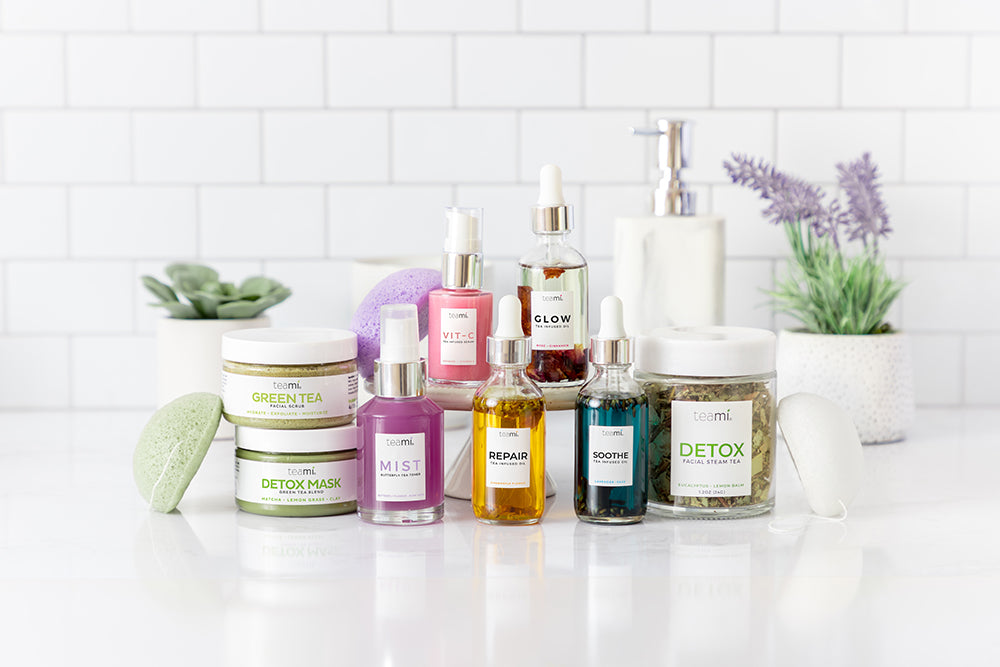
Choosing natural personal care products is a smart decision. Not just for health. But also for the environment. Sustainable packaging plays a vital role. It reduces waste and conserves resources.
People are more aware now. They seek options that are eco-friendly. Sustainable packaging offers a solution. It aligns with the values of many consumers. This section explores its importance.
What Is Sustainable Packaging?
Sustainable packaging uses materials that minimize environmental impact. It can be recycled or reused. Often made from biodegradable substances.
Why Choose Sustainable Packaging?
It reduces pollution and saves energy. It protects our planet for future generations. It supports a cleaner, greener world.
Types Of Sustainable Packaging
Glass is a popular choice. It is reusable and recyclable. Bamboo packaging is biodegradable. It is sturdy and attractive.
Benefits For The Consumer
Consumers feel good about their choices. They contribute to a healthier planet. They often find sustainable packaging to be aesthetically pleasing.
How To Identify Sustainable Packaging
Look for eco-friendly symbols. Check for labels indicating recycled content. Research brands committed to sustainability.
Credit: www.teamiblends.com
Trusted Brands And Certifications
Choosing natural personal care products involves recognizing trusted brands and certifications. These labels ensure products are free from harmful chemicals. Opting for certified brands guarantees safer ingredients for healthier skin.
Switching to natural personal care products is not just a trend; it’s a mindful choice for a healthier lifestyle. However, navigating the world of natural products can be daunting. How do you know which brands to trust? What certifications should you look for to ensure you’re truly getting natural and safe products? In this section, we’ll explore trusted brands and certifications to help you make informed decisions.
Understanding Certifications
Certifications act like a seal of approval, letting you know a product meets certain standards. Look for certifications like USDA Organic, COSMOS, or Ecocert. They guarantee that the product contains a high percentage of natural ingredients and is free from harmful chemicals.
Reading labels can be confusing. Certifications simplify the process by providing assurance that the product adheres to specific criteria. Do you check for certifications when choosing products?
Identifying Trusted Brands
A brand’s reputation can speak volumes about its quality. Brands like Burt’s Bees, Dr. Bronner’s, and Weleda have built trust over the years. They’ve consistently delivered natural products that live up to their claims.
When I first switched to natural deodorants, I tried several brands. Only after finding a trusted brand did I see real results. Do you have a favorite brand you trust for personal care?
Checking Ingredient Lists
Even with trusted brands, it’s essential to check ingredient lists. Be wary of terms like “fragrance” or “parfum,” which can hide synthetic ingredients. Opt for products that list ingredients you recognize and understand.
Understanding what goes into your products empowers you to make better choices. Have you ever been surprised by an ingredient in a product you thought was natural?
Relying On Consumer Reviews
Online reviews can be a treasure trove of information. They provide insights into real user experiences with the product. Look for reviews that mention long-term results and any skin reactions.
While brands provide information, consumer reviews offer unfiltered truths. Do you usually read reviews before buying a new product?
Exploring Local And Small Brands
Don’t overlook local and small brands. They often use high-quality, locally sourced ingredients. Supporting them not only gives you unique products but also boosts local economies.
I once discovered an amazing local brand at a farmer’s market. Their commitment to quality was evident in every product. Have you ever found a gem among local brands?
Switching to natural personal care products is a journey. By focusing on trusted brands and certifications, you ensure that your choices are safe and beneficial. Ready to make the switch?
Tracking Skin And Hair Reactions
Switching to natural personal care products can benefit your skin and hair. Observing changes is crucial to understand how your body reacts. Tracking skin and hair reactions helps ensure your new routine suits you. It’s essential for adapting your regimen if needed.
Understanding Your Skin’s Response
Observe your skin daily after using natural products. Look for changes in texture or appearance. Redness or irritation may suggest sensitivity. Keep notes on any discomfort or improvements. This helps identify what works best for your skin.
Monitoring Hair Changes
Note how your hair feels and looks. Natural shampoos may alter hair texture. Track any dryness or oiliness. Pay attention to shine and strength. Adjust products based on your findings.
Keeping A Reaction Journal
Document changes in a journal. Write down skin and hair reactions each week. Include dates and products used. This record helps spot patterns and preferences. A journal provides valuable insights for future choices.
Consulting A Dermatologist
Seek professional advice if reactions persist. A dermatologist can offer guidance. They help tailor your personal care routine. Expert advice ensures safe transition to natural products.
Common Myths Debunked
Switching to natural personal care products is easier than it seems. Many people mistakenly believe natural means ineffective. In truth, these products can work wonderfully without harsh chemicals, offering gentle care for your skin and hair.
Switching to natural personal care products can feel overwhelming, especially with so many myths floating around. These myths can deter you from making the switch, but understanding the truth can empower you. Let’s debunk some of these common myths to make your transition smoother and more confident.
Myth 1: Natural Products Are Less Effective
Many believe natural products don’t work as well as their synthetic counterparts. This assumption can make you hesitant to try them.
However, think about the aloe vera plant. It’s a natural remedy that soothes sunburns effectively. Many people find natural products like tea tree oil to be excellent for acne.
Give them a fair trial and see what works for your skin.
Myth 2: Natural Means Expensive
You’ve probably seen high-priced natural products on store shelves. This can lead you to think that going natural is costly.
But have you considered making your own products at home? Simple ingredients like coconut oil, oatmeal, and honey can create effective skincare remedies.
Look for budget-friendly options and DIY recipes to cut costs.
Myth 3: Natural Products Are Always Safe
It’s easy to assume that anything natural is safe. Yet, some natural ingredients can cause allergies or irritations.
Remember the time you tried a new essential oil and ended up with a rash? It’s crucial to test any new product on a small patch of skin first.
Read the labels and be aware of any sensitivities you might have.
Myth 4: Switching Needs To Be All Or Nothing
Feeling pressured to replace all your products at once can be intimidating. But who says you have to do it overnight?
Start with one product, like a natural deodorant. Gradually, as your current products run out, replace them with natural options.
What’s one small step you can take today?
Myth 5: Natural Products Have No Preservatives
The idea that natural products lack preservatives can be misleading. Without preservatives, products can spoil quickly.
Consider natural preservatives like vitamin E or rosemary extract. They help keep products fresh and safe to use.
Check if the natural products you choose have these ingredients for longevity.
Debunking these myths can make your journey to natural personal care products clearer. What other myths have held you back from making the switch?

Credit: www.backtothebooknutrition.com
Frequently Asked Questions
How Do I Start Using Natural Products?
Begin by researching natural products and their benefits. Choose products with simple, recognizable ingredients. Start with one product, then gradually switch others. Always patch-test new products on a small skin area. Read labels and reviews for trusted brands.
How Do I Start A Natural Skin Care Routine?
Begin by identifying your skin type. Choose natural products suitable for it. Cleanse gently, then tone with a natural toner. Moisturize using a suitable natural moisturizer. Exfoliate weekly using a natural exfoliant. Always patch test new products. Consistency is key for effective results.
How Long Does It Take Your Skin To Adjust To New Products?
Skin usually adjusts to new products in about 2 to 4 weeks. Factors like product type and skin sensitivity influence this timeline. Monitor for any irritation or adverse reactions during this period. Gradual introduction helps minimize risks and ensures effective adaptation.
What Are The Disadvantages Of Natural Skincare Products?
Natural skincare products may cause allergies and lack preservatives. They can be expensive and have inconsistent results. Some lack scientific evidence for effectiveness.
Conclusion
Switching to natural personal care products benefits both you and the planet. Start small. Replace one product at a time. Be patient and read labels carefully. Choose products with ingredients you recognize. Your body will thank you for the healthier choice.
It’s a journey towards a better lifestyle. Support brands committed to sustainability. You contribute to a cleaner environment. Embrace nature’s goodness in your daily routine. Feel good about what you put on your skin. Experience the gentle, nourishing touch of natural products.
Enjoy the peace of mind that comes with conscious choices. Your skin and the earth deserve the best.
